Milan Origins · Global Manufacturing

Industrial Cable
Built for Mission-Critical Environments

From mining shafts to airport runways — HAR&CA engineers and manufactures cable solutions trusted by procurement teams, engineers, and distributors across 80+ countries.

Trusted supplier since 2009 · Response within 24 hours
16+ years
Manufacturing & supply experience
80+ countries
Active distribution network
200,000+ km
Cable delivered to date
IEC · ISO · ICAO
Compliant to international standards
IEC Certified
ISO 9001
ICAO Compliant
RoHS Compliant
CE Marked
Product Range

Engineered for Your Application

Six core categories, each built to specification and ready for technical review.

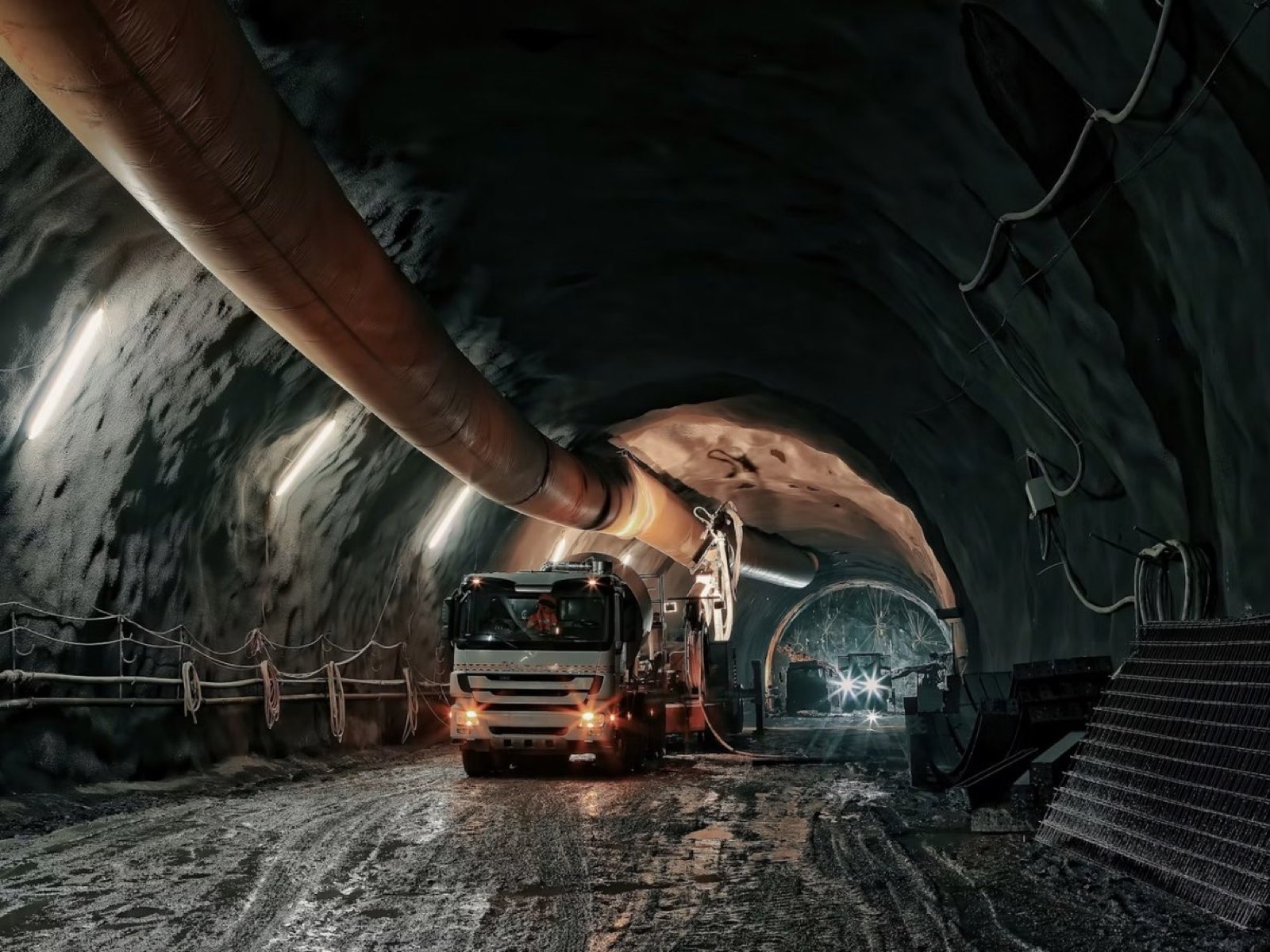
Mining Cables
Armoured, flame-retardant cables for underground and open-pit operations.
Rated: IEC 60502 · Flame Class C
Airport Cables
ICAO-compliant cables for airfield lighting and navigation systems.
Rated: ICAO Annex 14
🌊
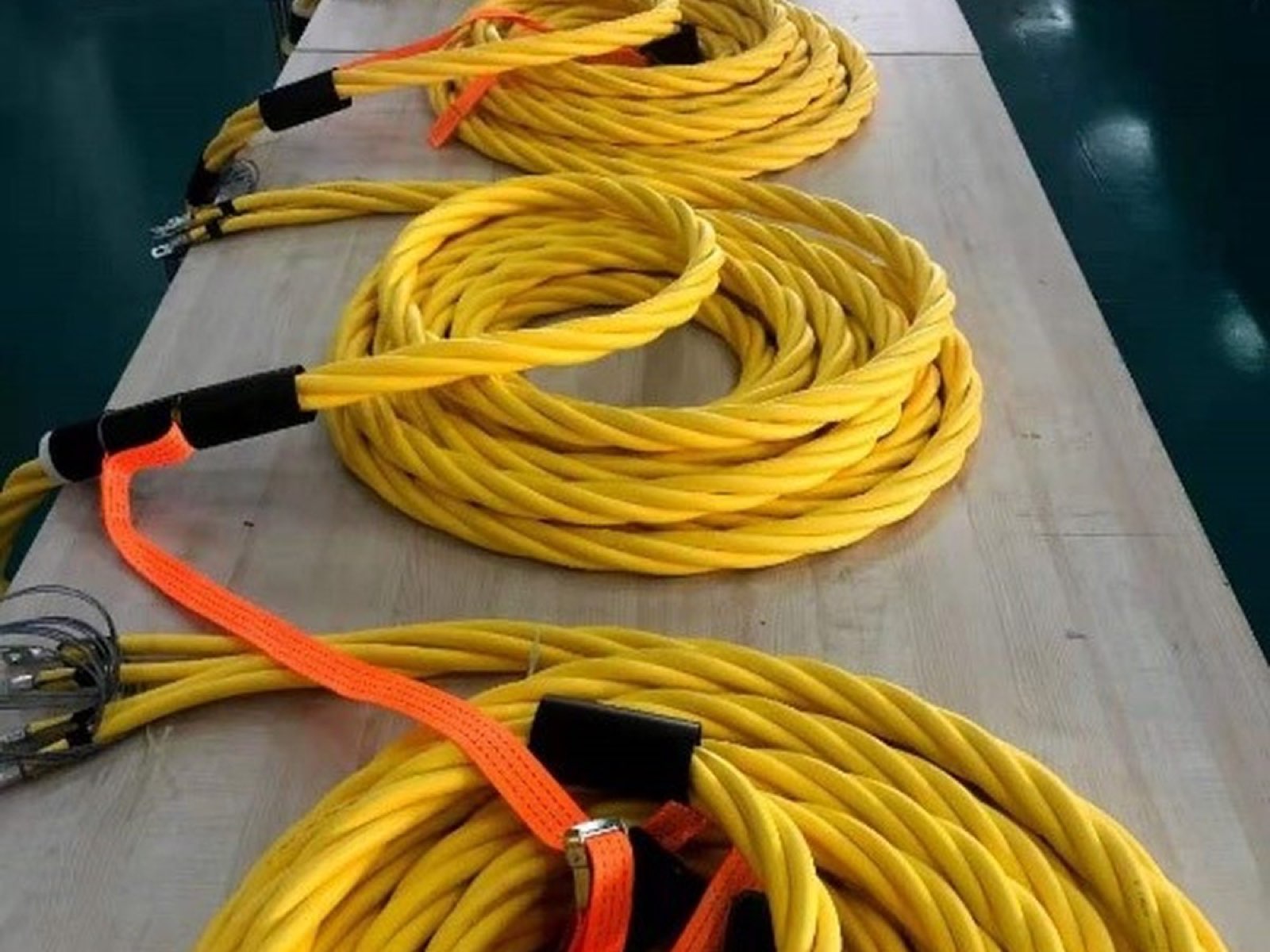
Underwater Cables
Pressure-rated, corrosion-resistant cables for subsea and offshore use.
Rated: Up to 500m depth
🔌
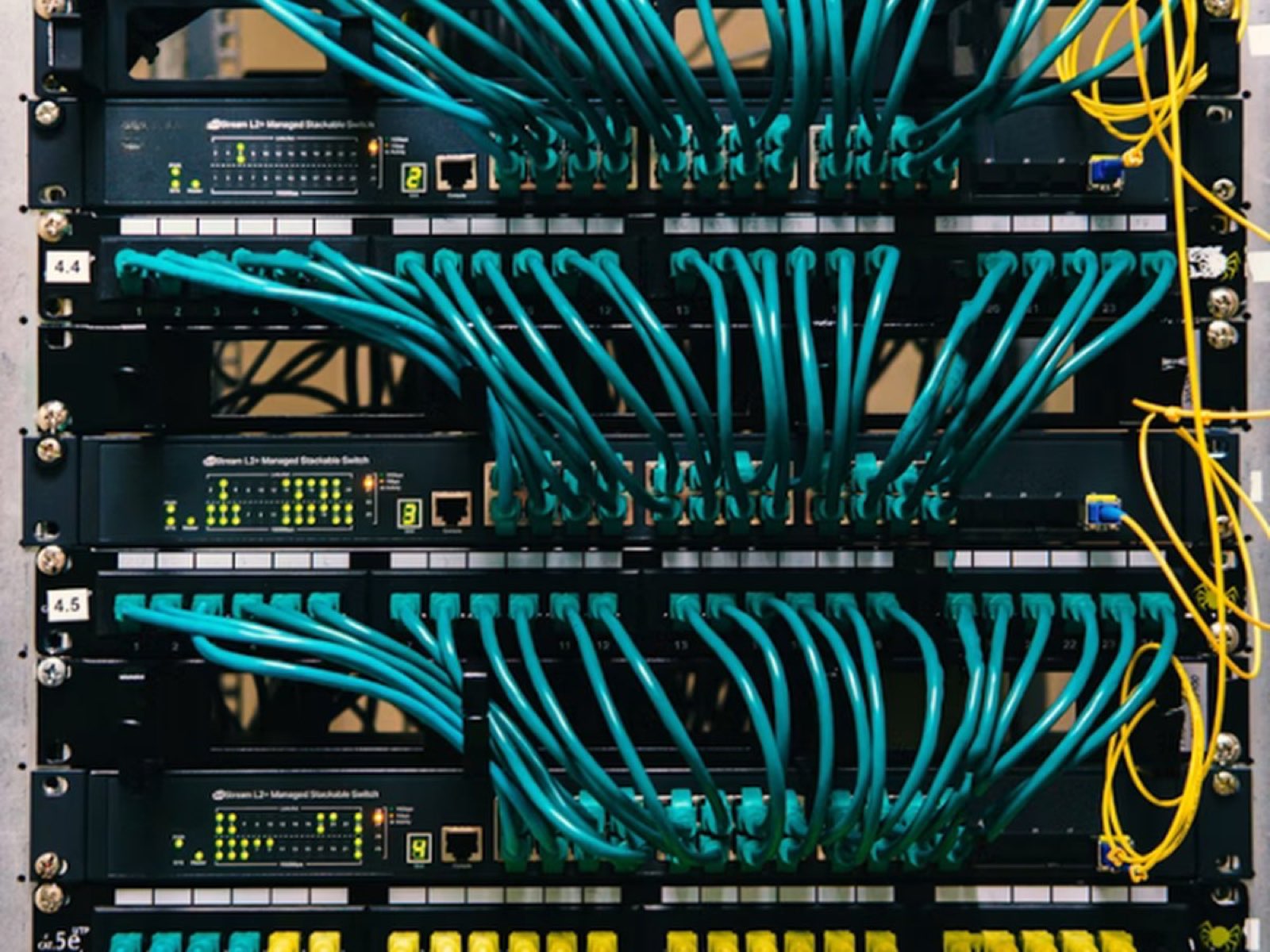
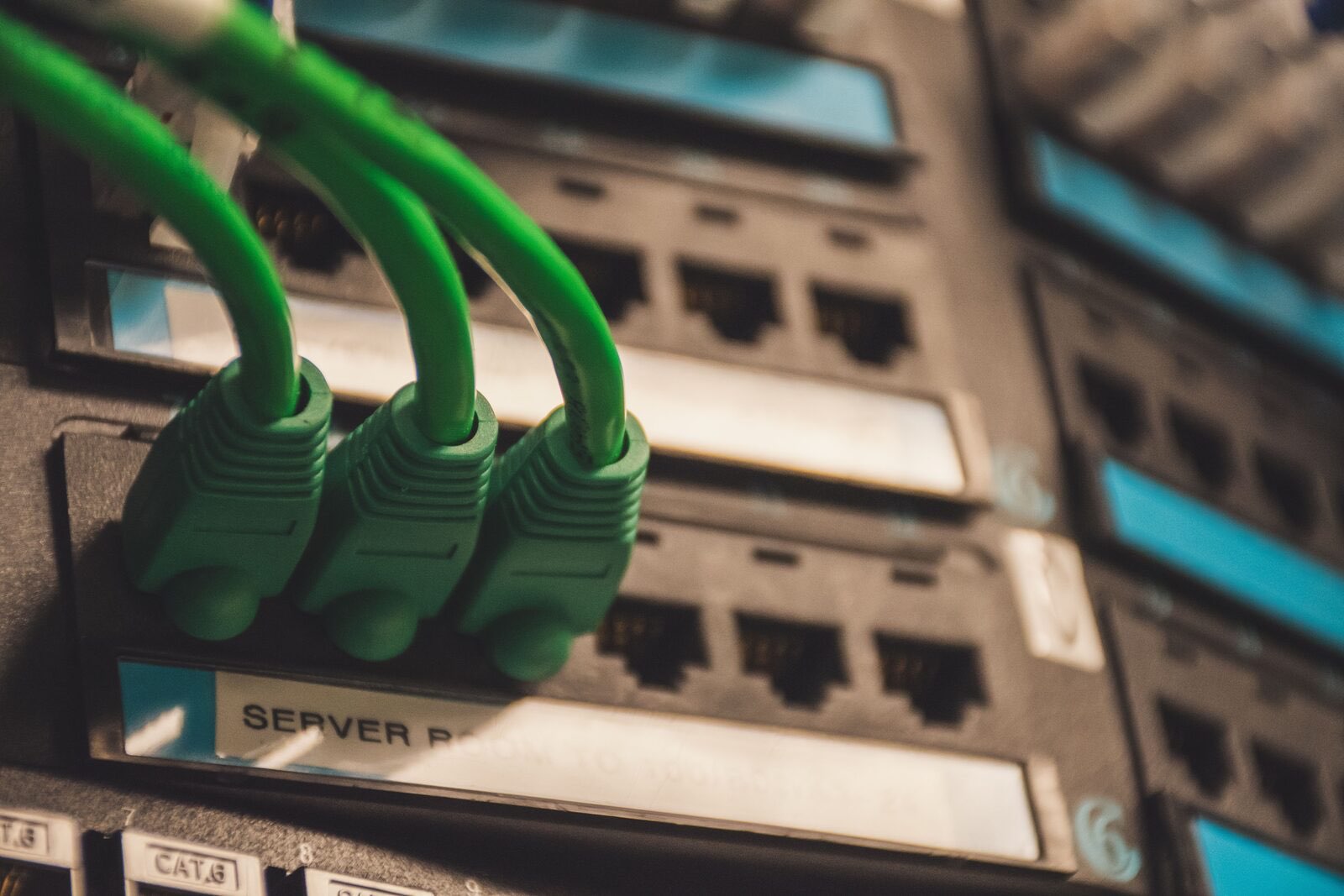
Industrial Ethernet
Cat5e–Cat8 networking cables shielded for harsh EMI environments.
Rated: IP67 · EMI Shielded
MV/HV Power Cables
Medium and high-voltage cables for power generation and distribution.
Rated: Up to 35kV
🏭
Control & Instrumentation
Multi-core screened cables for automation and process control.
Rated: Low Capacitance Design
Why HAR&CA

Built for Buyers Who Can't Afford Failure

📐
Engineering Precision
Italian-engineered specifications, manufactured to exact tolerance.
📦
Scale & Lead Time
Chinese manufacturing hub enables competitive lead times at volume.
📄
Full Documentation
Test certificates and compliance docs provided with every order.
🤝
Direct Engineering Support
Talk directly to our technical team — no call centers, no delays.
How It Works

From Inquiry to Delivery

01
Submit Requirements
Tell us your specification, quantity, and application.
02
Technical Review
Our engineers confirm compliance and propose the right cable.
03
Quote & Confirm
Receive pricing and lead time within 24 hours.
04
Manufacture & Ship
Production begins with full documentation and tracking.
Cable Selector

Not Sure Which Cable You Need?

Answer two quick questions and we'll point you to the right product — with full specifications and certifications.

or

Ready to Specify Your Cable?

Whether you need a quote for a project, a technical data sheet, or a long-term supply partner — our team responds within 24 hours.

Milan Origins · Global Reach

Power That
Moves the World

From deep-sea installations to airport runways and mining shafts — HAR&CA engineers industrial cables built for the most demanding environments on earth.

Mining Cables Airport Systems Underwater Cables Industrial Ethernet Power Cables Control & Instrumentation 16 Years of Excellence 80+ Countries Served 200,000+ km Delivered Mining Cables Airport Systems Underwater Cables Industrial Ethernet Power Cables Control & Instrumentation 16 Years of Excellence 80+ Countries Served 200,000+ km Delivered
0+
Years in Operation
0+
Countries Served
0k+
Km of Cable Delivered
0+
Cable Specialisations
What We Make

Industrial Cables
for Every Frontier

From the ocean floor to runway lighting, our cables perform where it matters most.

Mining Cables
Armoured, flame-retardant cables for underground and open-pit mining operations.
Airport Cables
High-reliability cables for airfield lighting, navigation systems, and ground power.
Underwater Cables
Pressure-rated, corrosion-resistant cables for subsea and offshore marine environments.
Ethernet & Data
Industrial-grade networking cables for high-speed data in harsh environments.
Power Cables
Medium and high-voltage cables for plants, substations, and infrastructure.
Control Cables
Multi-core control and instrumentation cables for automation and process control.
By the Numbers

HAR&CA in Real Time

200,412km
Cable Delivered
Updating live
83+
Countries Served
Across 6 continents
547+
Projects Completed
Since 2009
16yrs
Years of Operation
Founded Milan 2009
Our Heritage

Born in Milan.
Built for the World.

HAR&CA was founded in Milan, Italy — the heart of European engineering precision. Over 16 years we expanded globally, with our Chinese division serving as a manufacturing and export hub across Asia, the Middle East, Africa, and beyond.

We carry Italian craftsmanship and marry it with the scale of modern Chinese manufacturing.


Founded
2009 — Milan, Italy
Global Operations
80+ Countries
Cable Delivered
200,000+ km
Industry Standards
IEC · ICAO · ISO
Our Story

Engineering
Excellence Since 2009

HAR&CA was born from a passion for precision engineering in Milan, Italy — and has grown into an internationally recognised industrial cable brand serving clients across six continents.

Our Journey

16 Years of Progress

2009
Founded in Milan, Italy
HAR&CA is established by a team of Italian cable engineers with a vision to build industrial-grade cables meeting the most demanding international standards.
2012
First International Contracts
Secured major supply contracts across the Middle East and North Africa, supplying mining and power cables to large-scale infrastructure projects.
2015
Chinese Operations Launch
Opened our Chinese manufacturing and distribution hub, enabling us to scale production and serve the Asia-Pacific market with competitive lead times.
2018
Underwater & Airport Divisions
Expanded into subsea cable solutions and aviation-grade airfield lighting cables, earning certification from international aviation authorities.
2022
80+ Countries Served
Reached a milestone of delivering over 200,000 km of cable to clients in more than 80 countries across all major industries.
2025
International Rebrand & Digital Expansion
Launched our new international digital presence, unifying our Milan origins and Chinese operations under the global HAR&CA identity.
Why HAR&CA

Our Core Values

01
Precision
Every cable is manufactured to exact tolerances. Italian engineering principles guide our production standards from design to delivery.
02
Durability
Built for the harshest conditions — underground mines, deep ocean, arctic environments. Our cables outlast the competition.
03
Global Scale
With operations spanning two continents and clients in over 80 countries, we deliver anywhere — on time, every time.
0+
Years Experience
0+
Countries
0k+
Km Delivered
0+
Projects Completed
Product Range

Cables Engineered
for Every Environment

From the deepest mines to the highest-traffic airports — HAR&CA manufactures cables where performance is non-negotiable.

All Categories

Our Full Range

Mining Cables
Extraction & Underground

Designed for extreme demands of underground and open-pit mining. Resistant to mechanical stress, moisture, oil, and flame.

Flame RetardantArmouredAnti-StaticAvailable Now
Airport Cables
Aviation & Airfield

Aviation-certified cables for airfield ground lighting, instrument landing systems, and ground power.

ICAO CompliantLow SmokeHigh UVAvailable Now
🌊
Underwater Cables
Subsea & Marine

Pressure-rated for deep-sea installations with multi-layer armour and water-blocking technology.

Subsea RatedCorrosion ResistantDeep SeaAvailable Now
🔌
Industrial Ethernet
Data & Networking

Cat5e to Cat8 industrial ethernet cables with enhanced shielding for EMI environments and SCADA systems.

Cat5e–Cat8EMI ShieldedIP67 RatedAvailable Now
MV/HV Power Cables
Energy & Infrastructure

Medium and high-voltage cables for power generation, substations, and grid distribution up to 35kV.

Up to 35kVXLPECu/AlAvailable Now
🏭
Control & Instrumentation
Automation & Process

Multi-core screened cables for PLCs, control panels, and process instrumentation with low capacitance design.

Multi-CoreLow CapacitanceScreenedAvailable Now

Need a custom specification? Our engineering team can design cables to your exact requirements.

Get in Touch

Let's Build
Something Together

Whether you need a standard cable run or a fully custom engineering solution — our team is ready to discuss your project.

Our Offices

Two Continents.
One Standard.

Milan, Italy — HQ
Via Padova 18, 20127
Milano MI, Italy
+39 02 0000 0000
milan@harca.com
China — Operations
HAR&CA Industrial Park
Jiangsu Province, China
+86 400 000 0000
china@harca.com
International Sales
sales@harca.com
Response within 24 hours
Send a Message

Request a Quote or
Ask Our Team

Industries We Serve

Mission-Critical Cable for
Every Demanding Industry

HAR&CA cables are specified by engineers and procurement teams across five high-stakes sectors — where performance is non-negotiable and documentation is mandatory.

Jump to an industry:

Mining
Aviation
🌊
Marine & Subsea
Power & Infrastructure
🏭
Industrial Automation
Mining

Underground & Open-Pit
Mining Cable

Mining environments demand cable that can survive mechanical abuse, explosive atmospheres, constant moisture, and extreme temperature shifts. HAR&CA mining cables are built to IEC 60502 and carry anti-static and flame-retardant properties for the harshest underground conditions.

Underground Operations Open-Pit Conveyor Systems Mine Communications

Key Technical Requirements

  • Armoured construction (SWA/STA) for mechanical impact resistance
  • Flame Class C or higher per IEC 60332 — critical for tunnel installations
  • Anti-static outer sheath to prevent ignition in gas-prone zones
  • Oil and moisture resistance across full operating temperature range
  • LSZH (Low Smoke Zero Halogen) sheathing for confined space safety
IEC 60502 IEC 60332 Anti-Static LSZH Sheath Flame Class C
📷
Mining Site Photography
📷
Airport / Airfield Photography
Aviation

Airport & Airfield
Ground Lighting Cable

Airport cables must comply with ICAO Annex 14 and withstand direct burial, constant series circuit current, and UV exposure. Our aviation cables are rated for 5kV series circuit operation with LSZH insulation and are supplied with full compliance documentation.

Airfield Ground Lighting ILS Systems PAPI & VASIS Taxiway Lighting

Key Technical Requirements

  • Rated for 5kV series constant-current circuits per ICAO Annex 14
  • LSZH insulation and sheathing for terminal building and tunnel routes
  • Direct burial capability with rodent-resistant outer sheath
  • UV-stabilised jacket for surface and exposed installations
  • Full test certificates and compliance documentation per lot
ICAO Annex 14 5kV Rated LSZH Direct Burial UV Stabilised
Marine & Subsea

Offshore & Subsea
Cable Solutions

Subsea and offshore cable installations require resistance to hydrostatic pressure, seawater corrosion, and dynamic mechanical fatigue. HAR&CA subsea cables are engineered with multi-layer armour, water-blocking compounds, and depth-rated to customer specification.

Oil & Gas Platforms Subsea Installation ROV Umbilicals Port & Harbour

Key Technical Requirements

  • Depth-rated construction with hydrostatic pressure testing documentation
  • Double-wire armour (DWA) or single-wire armour (SWA) as specified
  • Water-blocking tape and compound to prevent longitudinal water ingress
  • XLPE or EPR insulation for dielectric stability under pressure
  • Seawater-resistant outer sheath (polyurethane or HDPE options)
Depth Rated DWA / SWA Water-Blocking XLPE / EPR Seawater Resistant
📷
Offshore / Subsea Photography
📷
Power Infrastructure Photography
Power & Infrastructure

Medium & High Voltage
Power Cable

Power generation, grid distribution, and industrial plant installations require medium and high-voltage cables with proven dielectric integrity. HAR&CA MV/HV cables are manufactured in copper and aluminium conductor configurations up to 35kV.

Power Generation Grid Distribution Substations Renewables

Key Technical Requirements

  • Voltage ratings from 6kV to 35kV (medium voltage) and above
  • XLPE insulation for superior thermal and dielectric performance
  • Copper or aluminium conductor options to project specification
  • Screened and armoured construction for direct burial and duct installation
  • Third-party type-tested with full factory test reports
IEC 60502-2 Up to 35kV XLPE Cu / Al Third-Party Tested
Industrial Automation

Control, Instrumentation
& Ethernet Cable

Automation environments demand cables that resist EMI interference, maintain signal integrity, and survive repeated flexing in cable trays and drag chains. HAR&CA control and instrumentation cables are screened, low-capacitance, and available in industrial-grade ethernet variants.

PLC / SCADA Process Control Factory Networking Sensor Wiring

Key Technical Requirements

  • Overall and individual pair/core screening for EMI rejection
  • Low capacitance design for accurate analogue signal transmission
  • Industrial ethernet options from Cat5e to Cat8 with IP67 connectors
  • PVC or LSZH jacket options; oil-resistant variants available
  • Suitable for drag-chain, tray, and conduit installation
IEC 60227 EMI Screened Low Capacitance Cat5e–Cat8 IP67
📷
Automation / Factory Photography
Cable Selector

Find the Right Cable in 2 Steps

Tell us your industry and application — we'll recommend the correct HAR&CA cable type with full specifications.

Step 1 — Select Industry
Step 2 — Select Application
Step 3 — Your Cable
Which industry are you specifying for?
Mining
Underground & open-pit operations
Aviation
Airport & airfield ground lighting
🌊
Marine & Subsea
Offshore, platforms & subsea
Power & Infrastructure
MV/HV grid & generation
🏭
Industrial Automation
PLC, SCADA & process control
What is your application?
Resources

Technical Resources &
Industry Insights

Case studies, technical articles, and specification downloads — for engineers and procurement teams who need the facts.

Case Studies

Projects Delivered

Three real-world projects — details anonymised at client request.

⛏ Mining — West Africa
Underground Copper Mine: 50,000m Armoured Cable Supply in Three Shipments
50,000m
Cable Supplied
3
Shipments
IEC 60502
Standard
14 wks
Lead Time

A West African copper mining operation required a phased supply of IEC 60502 armoured cable for new underground gallery extensions. HAR&CA coordinated three sequential shipments with staggered delivery windows to match the mine's installation schedule — all with full test certificates per lot.

✈ Aviation — Southeast Asia
International Airport Expansion: 12,000m ICAO LSZH Airfield Cable on Compressed Schedule
12,000m
Cable Supplied
ICAO
Standard
8 wks
Lead Time
5kV
Rating

A Southeast Asian airport authority needed 12,000 metres of ICAO Annex 14-compliant LSZH cable to complete a new runway lighting circuit on a compressed 8-week schedule. HAR&CA prioritised production and supplied the full quantity with ICAO documentation packages ahead of the commissioning deadline.

🌊 Marine — Persian Gulf
Offshore Oil Platform: Custom Subsea Bundle Depth-Rated to 120m, 6-Week Delivery
120m
Depth Rating
Custom
Build
6 wks
Lead Time
DWA
Armour Type

A Persian Gulf offshore platform required a custom multi-core subsea cable bundle depth-rated to 120 metres with double-wire armour. HAR&CA's engineering team designed to specification, manufactured, and delivered within six weeks — including hydrostatic pressure test documentation and third-party inspection reports.

Technical Blog

Engineering Insights

Technical guides written by our engineering team — covering standards, specifications, and procurement.

Mining Cable
How to Choose Mining Cable: IEC 60502, Flame Retardancy, and Armour Types Explained
8 min read · Technical Guide
Read Article →
Aviation Cable
ICAO Annex 14 Airport Cables: A Procurement Guide for Engineers
7 min read · Procurement Guide
Read Article →
🌊
Subsea Cable
Subsea Cable Depth Ratings: What the Specs Actually Mean
9 min read · Technical Guide
Read Article →
Downloads

Specification Sheets

Technical data sheets for our core product range. Contact us for the full catalogue or custom specifications.

📄
Mining Cable — IEC 60502 Series
Armoured, LSZH, Anti-Static variants
Request
📄
Airport Cable — ICAO Annex 14
5kV, LSZH, Direct Burial
Request
📄
Subsea Cable — Depth-Rated Series
SWA / DWA, XLPE / EPR options
Request
📄
MV/HV Power Cable — 6kV to 35kV
XLPE, Cu/Al, Armoured
Request
📄
Industrial Ethernet — Cat5e to Cat8
EMI Shielded, IP67, Industrial Grade
Request
📄
Control & Instrumentation Cable
Screened, Low Capacitance, Multi-Core
Request

Spec sheets are sent via email within 24 hours. Custom data sheets available on request.

Resources / Mining Cable

How to Choose Mining Cable: IEC 60502, Flame Retardancy, and Armour Types Explained

Specifying cable for a mining environment is one of the most technically demanding procurement decisions in industrial engineering. Get it wrong and the consequences range from costly downtime to genuine risk of fire or injury. This guide walks through the key parameters: the IEC 60502 standard, flame retardancy classifications, armour types, sheath compounds, and anti-static requirements.

Understanding IEC 60502 — The Core Standard

IEC 60502 is the international standard governing power cables with extruded insulation and their accessories for rated voltages from 1kV up to 30kV. For mining applications, Parts 1 and 2 are most relevant — covering cables up to 1kV and cables from 1kV to 30kV respectively.

The standard defines conductor requirements, insulation types, screen construction, armour, and sheathing — and specifies the electrical and mechanical tests each cable must pass. When you request an IEC 60502 cable from a manufacturer, you should expect a type test certificate referencing the specific part and voltage rating, plus factory acceptance test (FAT) reports for each production run.

Key point: IEC 60502 does not cover flame performance directly. Flame retardancy is governed by a separate set of IEC 60332 tests, which must be specified separately and referenced in your purchase order.

Flame Retardancy: IEC 60332 Classes Explained

IEC 60332 defines three main tests for flame propagation on individual cables and bundles. Understanding the difference is critical — because a cable that passes IEC 60332-1 (single cable test) will not necessarily pass IEC 60332-3 (bundle test), and the failure mode in an underground tunnel is very different from an open trench.

StandardTest TypeApplication
IEC 60332-1Single cable, vertical flameGeneral surface wiring
IEC 60332-2Single cable, small flameSmall-diameter cables
IEC 60332-3 Cat ABundle, 7 litres/min propaneHigh cable density tunnels
IEC 60332-3 Cat BBundle, 3.5 litres/min propaneMedium cable density
IEC 60332-3 Cat CBundle, 1 litre/min propaneLower cable density runs

For underground mining installations — where cables run in confined galleries with limited ventilation — IEC 60332-3 Category C is a minimum requirement. High-density wiring in production areas or shaft installations should meet Category A or B.

LSZH vs FR-PVC: Which Sheathing for Mining?

Low Smoke Zero Halogen (LSZH) and Flame Retardant PVC (FR-PVC) are the two most common sheath materials specified in mining. The choice affects both fire performance and cost.

FR-PVC

FR-PVC cables are flame retardant and widely available at lower cost. However, when PVC burns it releases hydrogen chloride (HCl) gas — which is toxic in confined spaces and corrosive to mining equipment. For surface or well-ventilated applications, FR-PVC is often acceptable. For underground use, most modern specifications require LSZH.

LSZH

LSZH cables produce significantly less smoke and no halogen acid gases when exposed to fire. This keeps visibility higher for evacuation and reduces equipment damage. LSZH sheathing is now the default requirement in most underground mining specifications, particularly in jurisdictions with modern mining safety regulations.

Armour Types: SWA, STA, and Wire Braid

Mining cables take physical punishment — from rolling stock impacts to being buried under debris. Armour provides the mechanical protection needed to survive this environment.

Steel Wire Armour (SWA)

SWA is the most common armour type — galvanised steel wires applied helically over the inner sheath. It provides excellent tensile strength and impact resistance. For most underground power cable applications, SWA is the standard specification.

Steel Tape Armour (STA)

Two overlapping steel tapes, applied with a counter-helical lay. STA provides better protection against crushing forces than SWA, making it suitable for direct burial applications where mechanical compression is the primary concern.

Anti-Static Requirement

In environments where flammable gases are present — such as coal mines or operations in gassy strata — the outer sheath must have a controlled surface resistivity to dissipate electrostatic charge. IEC 60332 does not cover this; it is specified separately, typically with a surface resistance requirement of less than 1 GΩ per IEC 62631-3 or equivalent.

Procurement tip: Always request the full test certificate pack — including IEC 60502 type test, IEC 60332 flame test, and anti-static test report — before approving a cable for underground use. A reputable manufacturer will supply these as standard.

Summary: Mining Cable Specification Checklist

  • Voltage rating per IEC 60502-1 or -2 (typically 0.6/1kV or 3.6/6kV for underground)
  • Flame class per IEC 60332-3 (Category A, B, or C depending on cable density)
  • LSZH outer sheath for underground / confined space installations
  • SWA or STA armour appropriate to mechanical hazard type
  • Anti-static outer sheath where gassy atmosphere risk is present
  • Full type test and FAT documentation from manufacturer
Resources / Aviation Cable

ICAO Annex 14 Airport Cables: A Procurement Guide for Engineers

Airport ground lighting cable is one of the most tightly regulated cable categories in any product range. The consequences of cable failure in an airfield environment are immediate and severe — lighting outages can ground aircraft or compromise navigation during critical phases of flight. This guide explains the ICAO Annex 14 requirements, the series circuit principle, and what to look for when specifying and procuring airfield cable.

What ICAO Annex 14 Actually Requires

ICAO (International Civil Aviation Organisation) Annex 14 is the international standard for aerodrome design and operations. Volume I covers aerodrome design, and within it, the electrical specifications for airfield ground lighting (AGL) systems define the cable requirements that procurement teams need to meet.

The key requirements from a cable perspective are:

  • Cables must be suitable for series constant-current circuit operation
  • Minimum insulation voltage rating of 5kV for series circuits
  • Low smoke and low halogen properties for any cable routed through buildings or enclosed areas
  • Suitability for direct burial without additional protection in most runway installations
  • UV and weather resistance for surface-mounted sections

Important: ICAO Annex 14 sets the operational requirements for airport lighting systems. Cable manufacturers do not receive ICAO certification directly — instead, cables must be specified and tested to meet the electrical and environmental requirements Annex 14 imposes on the system. Your cable supplier should be able to demonstrate compliance through test certificates, not simply claim "ICAO approved."

The Series Circuit Principle and Why It Matters for Cable

Airfield ground lighting operates on a series constant-current circuit — meaning all light fixtures in a circuit are connected in series and carry the same current, regardless of how many fixtures are on (or have failed). This is fundamentally different from the parallel mains circuits used in building wiring.

In a series circuit, each fixture is connected via an isolation transformer. If a lamp fails, the transformer shorts out, and the circuit continues. This means the cable must handle the full constant current continuously — typically 6.6A or 2A depending on the system.

The implication for cable selection is that the voltage across any individual fixture (and its isolation transformer) can reach several hundred volts. The cable insulation must therefore be rated for 5kV to safely handle fault conditions and the accumulated voltage across a long series string.

Cable Construction: What to Specify

ParameterTypical SpecificationNotes
Voltage Rating5kV (series circuit)Minimum for AGL series circuits
ConductorCopper, stranded2.5mm² to 6mm² typical
InsulationXLPE or EPRXLPE preferred for direct burial
SheathLSZHMandatory for enclosed areas
InstallationDirect burial or ductRodent-resistant sheath for direct burial
UV ResistanceUV-stabilised sheathRequired for surface runs

Documentation: What to Request from Your Supplier

Airport cable procurement typically involves a civil aviation authority (CAA) or airport operator review. Your supplier should provide the following as standard:

  • Type test certificate confirming 5kV rated insulation to IEC 60502 or equivalent
  • LSZH test report confirming smoke density and halogen content to IEC 60754 and IEC 61034
  • Flame test certificate per IEC 60332-1 (minimum) for individual cables
  • Factory acceptance test (FAT) report for the specific production lot being supplied
  • Drum labels showing cable type, length, conductor cross-section, and production date

Some airport authorities will also require a sample from each drum for independent testing prior to installation. Build this into your procurement timeline — it typically adds 2–3 weeks.

Lead Times and Procurement Planning

ICAO-compliant cable is not a commodity item. Typical ex-works lead times from a specialist manufacturer range from 6 to 14 weeks depending on conductor size and quantity. For large runway projects, order early — the cost of a delayed commissioning due to cable supply is far higher than any price saving from a late rush order.

Procurement tip: Always specify the exact conductor cross-section, voltage rating, sheath type, and installation method in your RFQ. "Airport cable" alone is not a specification — manufacturers interpret it differently, and you risk receiving a non-compliant product.

Resources / Subsea Cable

Subsea Cable Depth Ratings: What the Specs Actually Mean

Depth rating is one of the most misunderstood specifications in subsea cable procurement. A "depth-rated" cable is not simply a cable that has been tested at pressure — it is a cable whose construction has been specifically designed so that every component maintains its electrical and mechanical performance when subjected to the hydrostatic pressure at the rated depth. This guide explains what depth ratings mean, how armour types compare, and what documentation to require from your manufacturer.

Hydrostatic Pressure: The Numbers

For every 10 metres of seawater depth, hydrostatic pressure increases by approximately 1 bar (100 kPa). This means a cable installed at 100 metres experiences 10 bar of external pressure, and at 500 metres, 50 bar. The cable construction must prevent this pressure from collapsing the insulation or allowing water ingress — both of which cause dielectric failure.

Key principle: Depth rating is not a single test — it is a design requirement. The cable's insulation wall thickness, sheath material, water-blocking system, and armour construction must all be sized to resist the target depth pressure for the full service life.

SWA vs DWA: Armour for Subsea Duty

The armour system is the most visible difference between a surface cable and a subsea cable. For subsea applications, two main armour types are used:

Single-Wire Armour (SWA)

One layer of galvanised steel wires applied helically over the inner sheath. SWA provides good tensile strength for handling and deployment, and moderate crush resistance. It is typically suitable for shallower installations (up to approximately 200 metres) where the mechanical environment is not extreme.

Double-Wire Armour (DWA)

Two layers of steel wires applied in opposite helical directions. The counter-lay prevents rotation under tension — critical when a cable is deployed from a cable-laying vessel and the armour must transfer the full cable weight without twisting. DWA also provides significantly better crush resistance than SWA, and is the standard specification for deeper installations and high-tension applications.

ParameterSWADWA
Typical depth range0–200m0–1000m+
Rotation under tensionSignificantNegligible (torque-balanced)
Crush resistanceModerateHigh
Weight per kmLowerHigher
CostLowerHigher

Water-Blocking: Stopping Longitudinal Water Ingress

Even a pinhole breach in a subsea cable sheath can allow seawater to travel longitudinally along the cable if no water-blocking system is present — potentially flooding hundreds of metres of installation. Modern subsea cables use two methods to prevent this:

Water-Blocking Tape

Swellable tape wrapped around individual conductors or the cable core. When water contacts the tape, it expands rapidly, sealing the path of water ingress. This is the most common and cost-effective water-blocking system for medium-depth applications.

Water-Blocking Compound (Filling)

A petroleum jelly or thixotropic gel compound fills the interstices between conductors. More effective than tape alone, and required for deeper installations where higher water pressure makes tape-only systems less reliable. Increases cable weight and can complicate jointing.

Insulation: XLPE vs EPR for Subsea Duty

Cross-linked polyethylene (XLPE) and ethylene propylene rubber (EPR) are the two dominant insulation materials for subsea power cables.

XLPE

XLPE has excellent dielectric properties, low dielectric loss, and is stable under continuous electrical stress. It is the preferred insulation for AC power cables in most subsea applications and is well understood by testing laboratories and approval bodies.

EPR

EPR has better flexibility at low temperatures and higher resistance to water treeing than XLPE — making it the preferred choice for dynamic applications (flex cables, riser cables) and for very deep or cold-water installations. EPR is also more forgiving in jointing, which can be important in remote locations.

What to Include in Your Subsea Cable RFQ

  • Installation depth (metres) and any depth variation along the route
  • Dynamic or static installation (dynamic = umbilical / flex cable; static = seabed laid)
  • Conductor cross-section and voltage rating
  • Armour type required (SWA or DWA)
  • Water-blocking requirement (tape, compound, or both)
  • Insulation type (XLPE or EPR)
  • Outer sheath material (polyurethane for high abrasion, HDPE for chemical resistance)
  • Required documentation: hydrostatic pressure test report, FAT reports, third-party inspection

Documentation note: For offshore oil and gas projects, a third-party inspection agency (Bureau Veritas, DNV, Lloyd's, SGS, or similar) will typically be required to witness factory tests. Confirm this with your supplier before placing the order — adding third-party witness testing after production begins increases both cost and lead time.

✓ Message sent. We'll be in touch within 24 hours.